
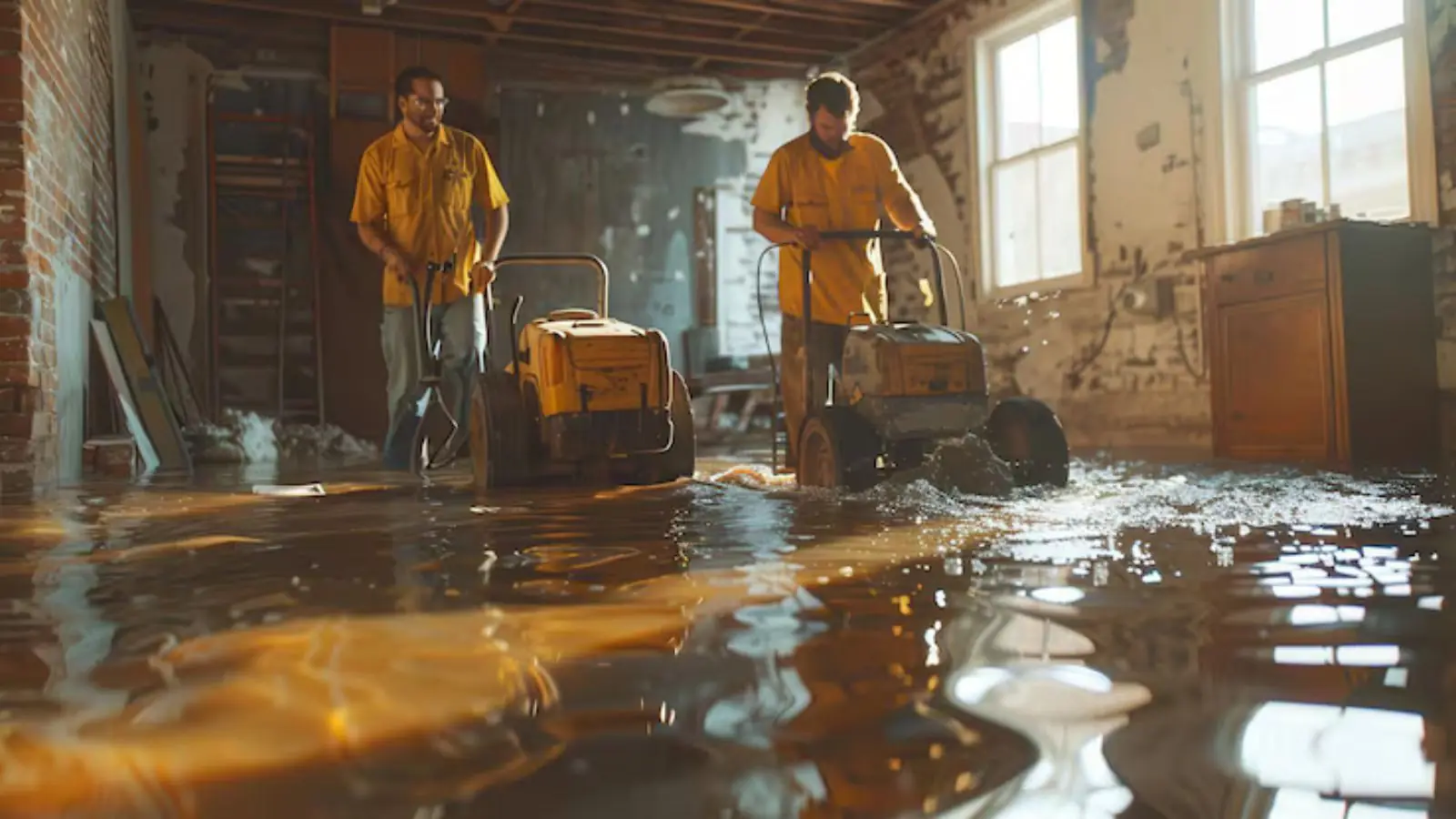
Emergency water removal is the fast, mechanical job of getting standing water out of a building, and it begins with a phone call. Our dispatch line is open 24/7 at (978) 252-8637. While you wait, shut the water off at the fixture or the main valve if you can reach it dry. Turn off power to the wet area only if the panel is dry and easy to reach, and lift rugs, electronics and furniture off the floor.
Water extraction is a narrower job than full restoration. It removes pooled and absorbed water with pumps, wet vacuums and extraction units, and it hands off to drying. The sooner extraction happens, the less water soaks into subfloors, cabinets and wall bases, and the less drying equipment needs to do afterward.
When standing water is an emergency
Standing water is an emergency when it is more than a mop can handle, when it is spreading toward other rooms, when it touches electrical outlets or appliances, or when it came from the sewer. A burst pipe can release gallons a minute, and a second-floor leak can bring a ceiling down onto a flooded room below.
If water is near the panel, an outlet or a gas appliance, stay out and call the utility or 911 before you call the restoration line. If the water is dark, smells like sewage or came from a drain, treat it as contaminated and keep children and pets away. The state Housing Code requires leaks and floods to be dried within 48 hours, so removal cannot wait for the next business day.
Burst pipe water damage
Burst pipes are the classic Massachusetts winter loss. The Boston area has about 91 days a year with a low at or below freezing, according to the National Weather Service normals for 1991 to 2020. Pipes in exterior walls, crawl spaces, garages and unheated basements freeze, split and then leak when the thaw arrives.
Shut off the main water valve as soon as you find a burst pipe. The city of Amesbury says the curb stop is the valve that shuts water off from the water main to your service, but it gives no instructions for homeowners to find it, so locate your interior main shutoff ahead of time. Open a faucet on the lowest floor to drain the lines once the main is off.
After the water is stopped, extraction removes pooled water, then mitigation begins. A burst pipe in a wall cavity often needs the wall opened to see the break and dry the insulation. Call a licensed plumber for the pipe repair, and keep the plumber's invoice for your insurer.
Other causes of standing water
Burst pipes are not the only cause. Water heaters fail at the tank seam. Washing machine hoses split. Refrigerator ice-maker lines leak slowly behind the unit and wet the floor for days before anyone notices. Dishwasher supply lines, toilet supply lines and sump pump failures round out the usual list.
Roof leaks and ice dams add water from above during winter. In older Amesbury homes, a leak near a chimney or valley can run behind plaster and show up as a stain far from the source. Tell dispatch where you first noticed water and when, because that helps the crew trace its path.
Water still spreading or mold already showing? Dispatch is open around the clock.
(978) 252-8637How extraction works
- Control the source.The leak is stopped or isolated so extraction is not fighting new water.
- Pump and extract.Submersible pumps clear deep water, and truck-mounted or portable extraction units pull water from carpet, pad and hard floors.
- Check hidden water.Moisture meters and thermal imaging look for water in walls, under cabinets and below flooring.
- Remove what cannot dry.Saturated pad and loose wet material go out, which speeds drying.
- Hand off to drying.Air movers and dehumidifiers are set, as described on our water mitigation page.
Water removal versus other services
Extraction is the first piece of a loss. The table shows how it differs from the work that follows.
| Service | Purpose | Typical timing |
|---|---|---|
| Emergency water removal | Remove standing and pooled water | First hours |
| Water mitigation | Dry the structure, map moisture | First 24 to 72 hours |
| Water damage cleanup | Remove debris, sanitize, deodorize | After water is stopped |
| Water damage repair | Rebuild finished surfaces | After the structure is dry |
What water removal costs
Extraction cost depends on how much water there is and what it touched. Dispatch explains the scope and price before work starts.
| Cost factor | Why it matters |
|---|---|
| Water category | Contaminated water means protective equipment and disposal |
| Affected square footage | More area means more pumps and labor |
| Materials involved | Carpet and pad take longer to extract than hard floors |
| Drying days | Extraction is followed by drying equipment |
| Rebuild scope | Repairs are priced after drying |
Want your real number? Call (978) 252-8637.
Insurance and documentation
Sudden and accidental damage, such as a burst pipe, is usually a homeowners claim, according to the Massachusetts Division of Insurance. Gradual leaks and neglect often are not covered, and sump pump failure and water backup need an added endorsement. Check your policy and ask your insurer.
Photograph the source and water height before moving anything, keep receipts for emergency steps and ask the crew for a written scope. Our Merrimac page covers the town to the west, and flood damage restoration covers river and storm water.
Emergency water removal questions
Do you handle emergency water removal at night or on weekends in Amesbury?
Yes. Dispatch is open 24/7, every day of the year. Same-day response is available when crews are available, and we do not promise an arrival time. Stop the source and lift valuables while you wait.
Should I shut off the water or the power first?
Shut off the water if you can reach the valve without standing in water. Cut power to wet areas only if the panel is dry and easy to reach, and call the utility or 911 about any electrical risk first.
Can I use a shop vacuum on standing water?
A wet-rated vacuum can remove small amounts, but it will not reach water inside walls or under floors. Never use household vacuums on wet floors.
How long does water removal take?
Extraction itself is often a matter of hours, depending on volume. Drying takes longer and is monitored with moisture readings.
Who repairs the burst pipe?
A licensed plumber repairs the pipe. The restoration crew extracts the water and dries the building.