
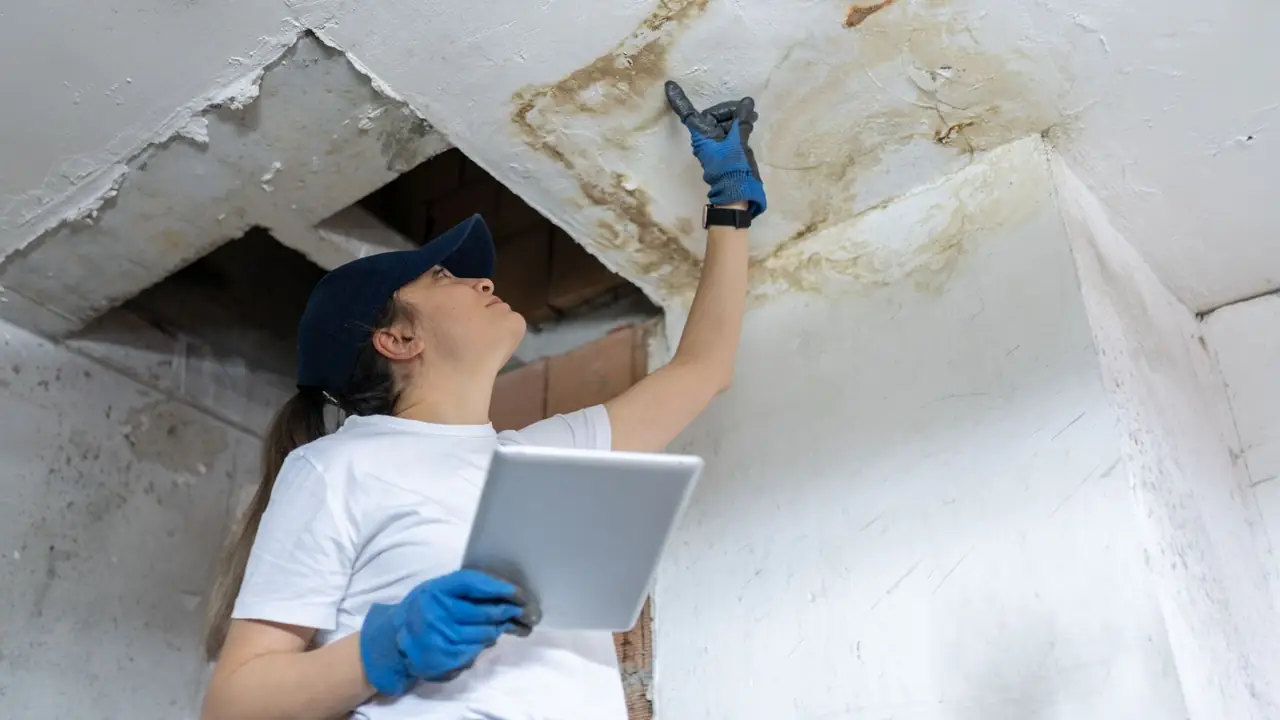
Nobody can make an insurer pay, and no restoration company can promise it will. What you can control is the record. Claims go better when you stop the damage quickly, photograph everything, keep receipts and read your policy for the cause of the loss before you call.
If water is in your home now, call (978) 252-8637 and start drying while you start the claim. Dispatch is open 24/7. Waiting for a decision does not stop the clock on mold.
The question that decides most claims
Insurers ask one thing first: where did the water come from, and how fast. The cause sorts nearly every loss into covered, limited or excluded, so know it before you file.
| Cause of water | Usually handled by | Check this |
|---|---|---|
| Burst pipe or failed supply line | Homeowners policy, if sudden and accidental | Policy wording on freezing and plumbing |
| Slow leak over weeks or months | Often not covered | Exclusions for gradual damage and neglect |
| Sump pump failure or water backup | Added endorsement to homeowners | Whether you bought it |
| Rising water from a storm or river | Separate flood policy | NFIP or private flood coverage |
| Sewer or drain backup | Endorsement, or flood policy if an area flood caused it | The cause and the wording |
Sudden versus gradual
The Massachusetts Division of Insurance explains that a burst pipe is usually a homeowners claim when it is sudden and accidental. A pipe that splits in a wall on a cold night is a different case from a dripping fitting that ran unnoticed behind a cabinet for months.
Gradual leaks often fall under exclusions for wear, deterioration or neglect, and maintenance problems are generally on the owner. This is why a plumber's report matters. It describes what failed and when, in a form an adjuster can read.
Flood is a different policy
Standard homeowners policies do not cover flood. Sump pump failure and water backup need an endorsement added to the policy. Sewer or drain backup and seepage are covered by a flood policy only when an area flood is the cause, according to the Division of Insurance.
Massachusetts does not require flood insurance by law. National Flood Insurance Program policies usually take effect after about 30 days, so a policy bought during a storm warning will not help. If you are unsure what you have, read the declarations page, then ask your insurer which events and endorsements apply.
Water still spreading or mold already showing? Dispatch is open around the clock.
(978) 252-8637Document before anything is moved
The Division of Insurance advises photographing the exterior and interior of your home, including water height. Do that first, before towels, fans or tear-out change the scene. Also photograph damaged contents and keep the items until the adjuster approves disposal.
Write down the date and time you noticed the water, what you did and who you called. Keep receipts for emergency steps such as pump rental or a plumber's visit. A short note taken on the day beats a long memory later.
The claim process, step by step
Most claims follow the same path, and a clear order keeps you from skipping something.
- Stop the damage.Shut the water off and make temporary protection, because insurers expect you to prevent further loss.
- Document.Photograph and film the damage, water height and the source, and save the damaged items.
- Call your insurer or agent.Report the loss, ask for a claim number and ask what they need from you.
- Begin mitigation.Extraction and drying should not wait for the adjuster, and moisture logs become part of your record.
- Meet the adjuster.Share the photos, receipts and moisture readings, and ask when scope decisions will be made.
- Keep records of repairs.Save estimates, invoices and communications until the claim closes.
What a restoration company can and cannot do
A restoration crew documents the loss. It takes moisture readings, records equipment days, explains the scope in writing and shares that with your adjuster. It also explains what the work involves in plain terms, so you can compare it with what the insurer proposes.
It cannot decide coverage, promise approval or set what your insurer will pay. Scope and price are explained before work starts, and the final coverage decision belongs to your insurer. Be wary of anyone who promises the claim will be approved. The work on a typical loss is listed under water mitigation and flood damage restoration.
What affects the cost your claim must cover
An estimate depends on a few factors, and understanding them helps when you read the adjuster's number.
| Cost factor | How it changes the scope |
|---|---|
| Water category | Contaminated water means removal of porous materials |
| Area affected | More area needs more equipment and tear-out |
| Materials | Hardwood, plaster and insulation cost more to dry or replace |
| Drying days | Equipment runs until readings reach a dry standard |
| Rebuild scope | Repairs are priced separately after drying |
Amesbury local note: flood claims and city advice
In 2023 the City of Amesbury posted a notice after flash flooding from a summer storm. It told residents with flood damage to file an insurance claim immediately, suggested a sump pump for homes that regularly flood, and said FEMA relief may be unlikely. The takeaway is to report quickly and not count on disaster aid to cover what a policy does not.
The 4th Street neighborhood was described in that notice as prone to flooding and getting drainage improvements. If you live in a spot like that, check the FEMA flood map for your address and ask your insurer whether flood coverage or a backup endorsement makes sense. Coverage cannot be bought after the water arrives.
The Division of Insurance Consumer Service Unit takes questions at 617-521-7794, option 2. Use it if you are unsure how a policy term applies to you.
Neighbors in Salisbury and Newburyport face similar flood and backup questions, since coastal storms and the Merrimack River affect both.
Insurance questions
Should I wait for the adjuster before drying my home?
No. Photograph first, then start drying. Mold can begin within a day or two, and insurers expect you to limit further damage.
Will a restoration company deal with my insurer for me?
A crew can send its documentation and explain scope to your adjuster, but it cannot promise approval or decide coverage. You remain the policyholder.
Is a slow leak covered?
Often not, because gradual damage is commonly excluded. A sudden and accidental event is more likely to be covered. Check your policy and ask your insurer.
Does homeowners insurance cover flood?
Standard policies do not. Flood needs a separate flood policy, and sump pump failure or backup needs an added endorsement.
What did Amesbury tell residents after the 2023 flash flooding?
The city said to file an insurance claim immediately and noted that FEMA relief may be unlikely. Contact your insurer first.
Once your photos are taken, the 24/7 line at (978) 252-8637 can start extraction and drying while you talk to your insurer.